Color Variations in the Atmosphere
Color Variations in the Atmosphere
Light carries a story. Across Greece — along its coasts, over its islands, through ancient olive groves and modern towns — the atmosphere paints that story with colour. These variations are not merely pretty backgrounds; they shape mood, define depth, and turn ordinary moments into images that resonate.
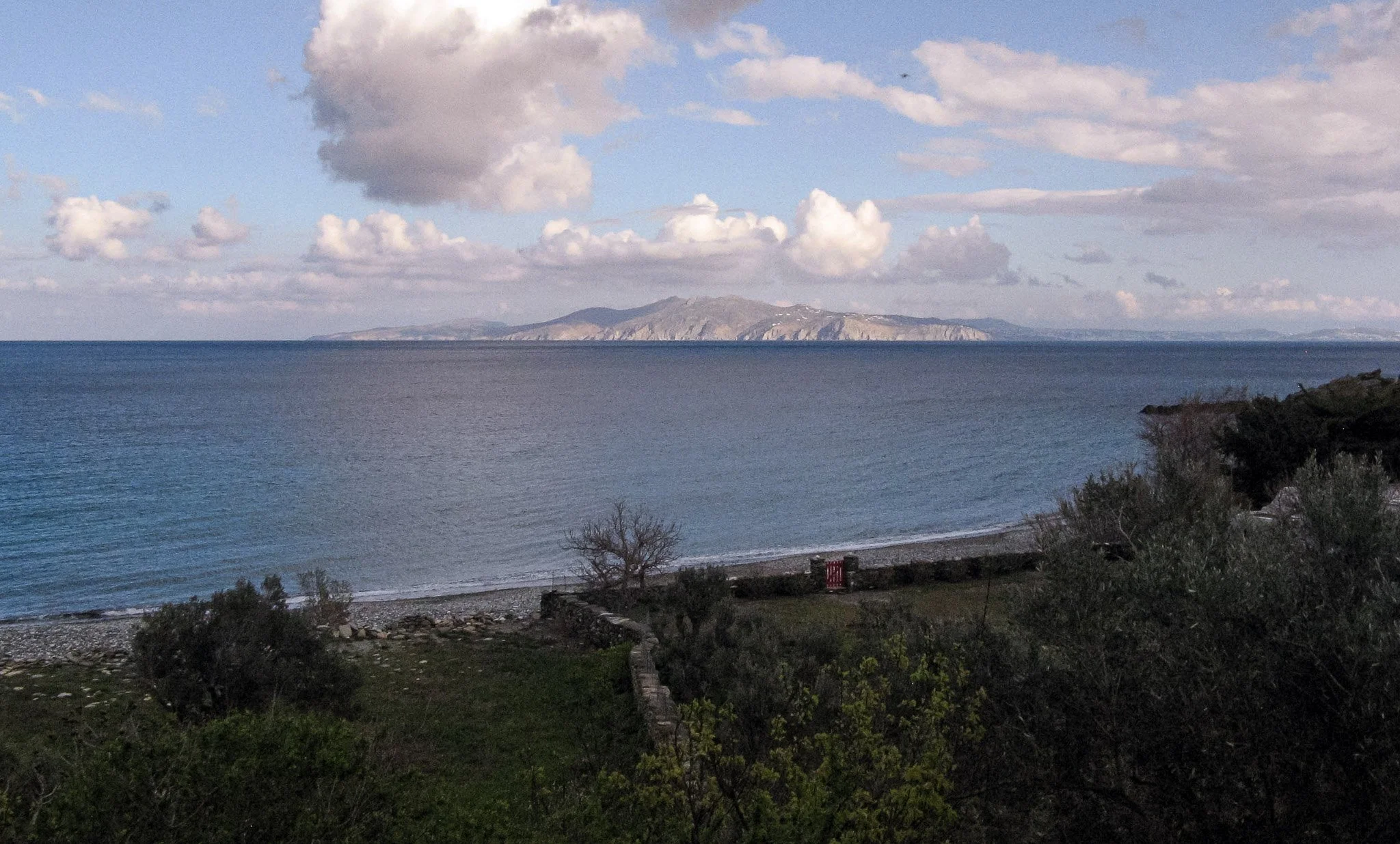
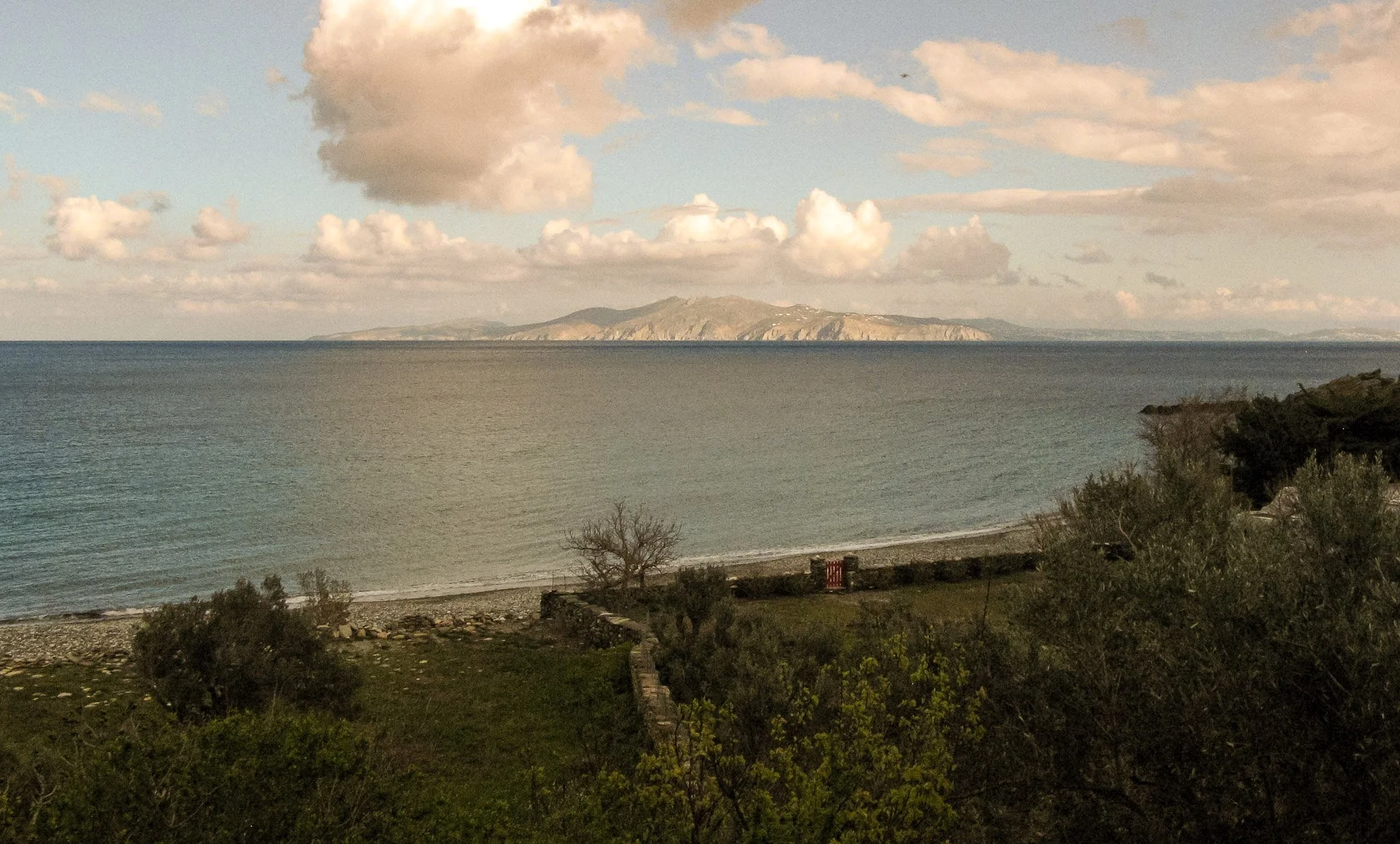
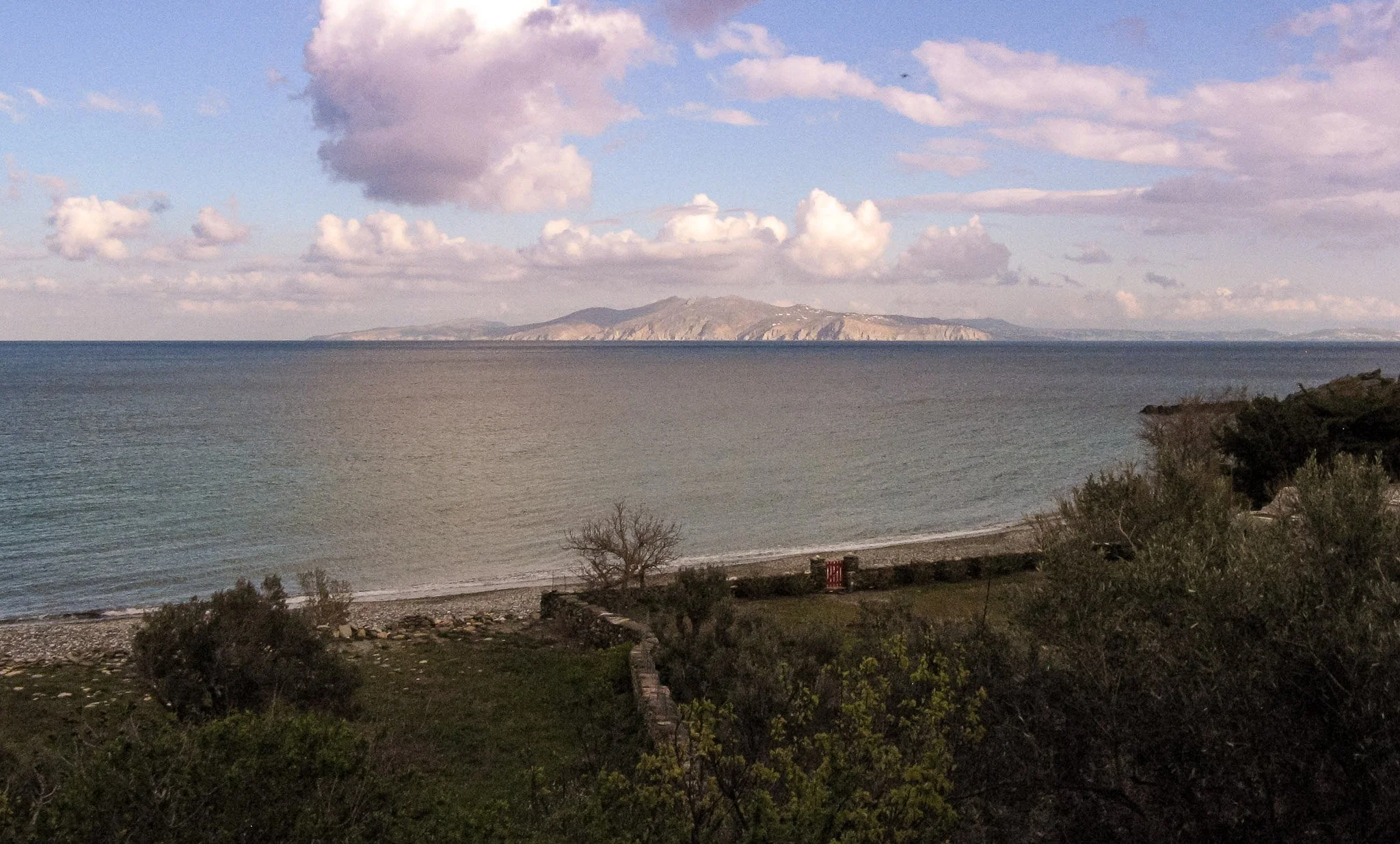
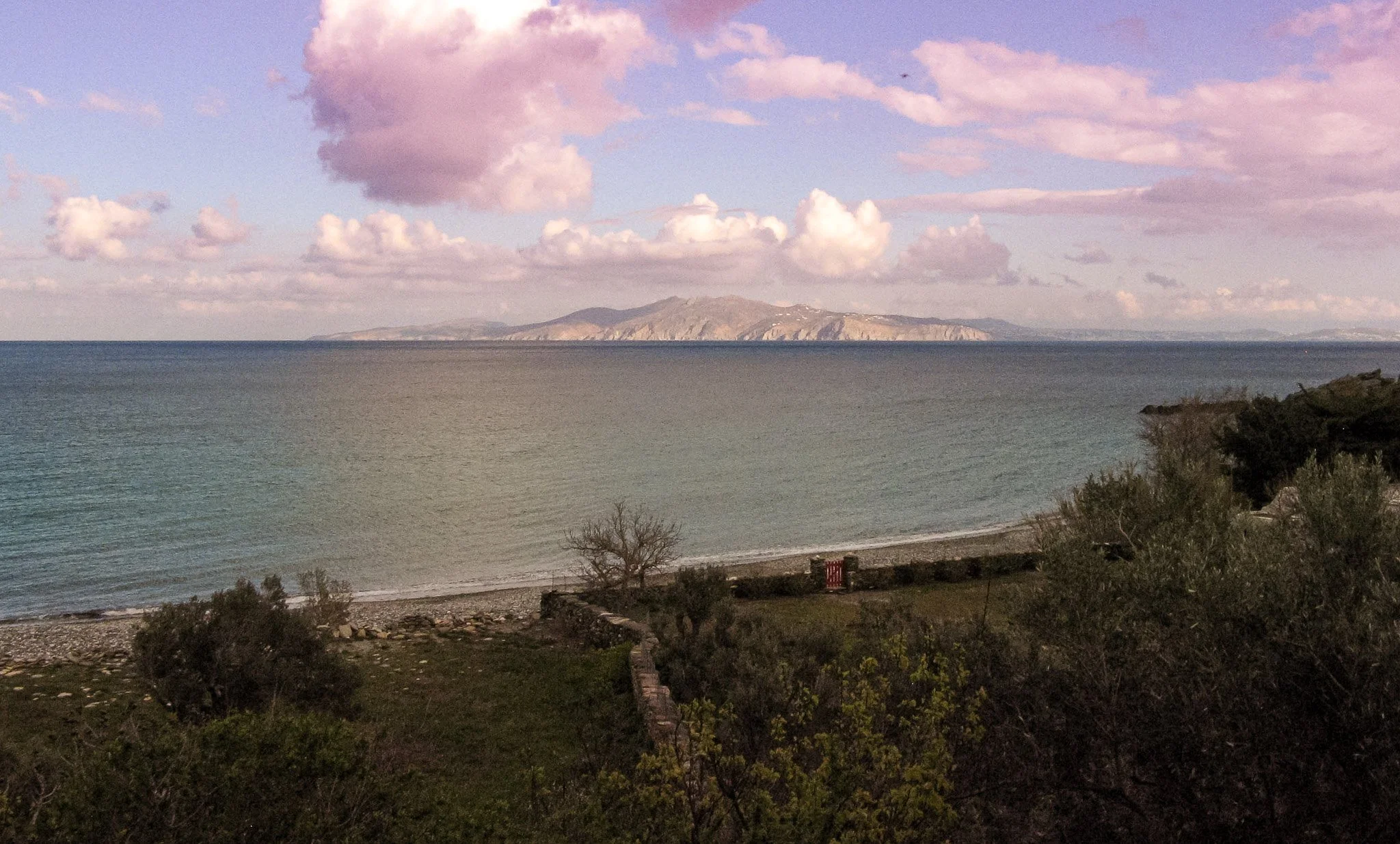
Morning: Cool clarity
Predawn and early morning bring a blue-gold clarity. Shorter, cooler wavelengths dominate; shadows are soft and elongated. The air often holds a crispness that separates planes in the frame, ideal for architecture and landscape details. Colours feel clean and slightly desaturated, which emphasises texture and form.
Golden hour: Warm intimacy
As the sun rises or sets, the spectrum shifts toward warm oranges and pinks. This golden light wraps subjects in a flattering glow, reducing contrast and lending skin tones a soft warmth. Highlights bloom gently; silhouettes gain a tactile rim. Use backlight to capture translucence — sailcloth, leaves, hair — and let the warm palette tell a quiet, intimate story.
Blue hour: Subtle melancholy
The short span after sunset and before sunrise bathes scenes in deep blues and purples. Artificial lights begin to punctuate the scene with spots of warm colour, creating complementary contrasts. Blue-hour atmospheres suit reflective, contemplative images: harbour lights mirrored on water, window glows, calm streets. Long exposures smooth water and deepen tonal harmony.
High noon: Stark drama
Midday sun yields hard light and saturated colour. Contrast increases; shadows become graphic elements. In Greece, whitewashed walls and bright sea can blow highlights, while colours pop fiercely. Embrace the drama with high-contrast compositions, bold shadows, and careful exposure to preserve colour fidelity. Polarising filters help manage glare and strengthen skies.
Haze and humidity: Soft diffusion
Warm months often bring heat haze and humid air that scatter light, muting contrasts and creating pastel washes. Distant forms soften into layers; colour transitions blur. This atmosphere suits dreamy, nostalgic narratives — slow shutter speeds, telephoto compression and selective focus accentuate the feeling.
Dust and volcanic ash: Golden to copper tones
Dust particles or ash elevated into the atmosphere shift scattering toward reds and golds, especially at low sun angles. Skies can glow coppery, and distant mountains take on sepia-like hues. These conditions add cinematic warmth and texture; highlight the tonal shift while balancing exposure to keep midtones rich.
Marine aerosols and sea spray: Deep blues and silver
Salt-laden air near the sea increases scattering of shorter wavelengths, intensifying blues while creating a luminous silver sheen on surfaces. Morning mists over harbours and fjards soften scenes; wind-driven spray can catch light to form glittering textures. Capture the tactile quality of air: fast shutters for frozen spray, slower for blurred motion.
Cloud cover: Colour temperature and mood control
Clouds act as large modifiers of colour and light. Thin veils can produce dramatic, directional colours at sunrise/sunset; heavy overcast cools the scene and yields even, low-contrast light with muted colours. Use cloud cover intentionally: open sky for strong colour gradients, uniform cloud for portrait-friendly soft light.
Artificial light interplay: Warm-cool contrasts
Evening and night mixes of sodium, LED and incandescent lights introduce varied colour casts. These contrasts create dynamic palettes — warm street lamps against cool shopfronts or neon — that can be exploited for mood, rhythm and colour-leading lines. White balance choice or mixed-light management becomes a creative decision rather than